

Creating the perfect paver patio can really change the vibe of your outdoor area. Whether you want a cozy spot for family gatherings or a stylish place to entertain guests, the right design and materials can make all the difference. This guide will help you figure out the best options for your paver patio, from choosing materials to incorporating great features.
In a Nutshell
- Select materials like concrete, brick, or natural stone that suit your style and budget.
- Experiment with different patterns such as herringbone or basketweave to add visual interest.
- Include functional elements like seating, fire pits, or kitchens to enhance usability.
- Plan your patio layout based on the available space and intended use.
- Incorporate landscaping features to create a more inviting atmosphere.
Choosing The Right Materials For Your Paver Patio
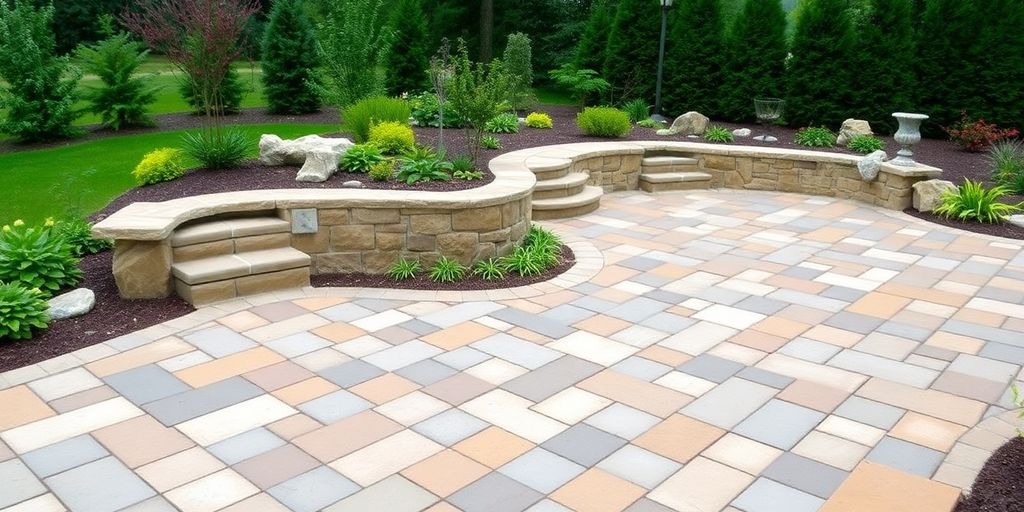
Choosing the right materials is a big deal when planning your paver patio. It’s not just about looks; it’s about how long your patio will last and how well it fits your lifestyle. There are a few popular choices, each with its own pros and cons. Let’s take a look.
Concrete Pavers
Concrete pavers are a really popular choice because they’re affordable and come in tons of styles. You can find them in different shapes, sizes, and colors, and some even mimic the look of natural stone or brick. This makes it easy to create a unique design without spending a ton of money. Plus, they’re pretty durable and can hold up well to weather and wear. If you’re looking for pavers for patios that won’t break the bank but still look great, concrete is a solid option.
Brick Pavers
Brick pavers give your patio a classic, timeless look. They’re super durable and keep their color over time, which is a nice bonus. The traditional aesthetic is a big draw for many homeowners. Keep in mind that brick pavers need to be installed correctly to avoid shifting, but if you do it right, you’ll have a charming and historic-looking patio that lasts for years.
Natural Stone Pavers
If you want a high-end, organic look, natural stone pavers are the way to go. Think bluestone, travertine, or flagstone – each stone is unique, so your patio will be one-of-a-kind. Natural stone is more expensive than concrete or brick, but it offers unmatched beauty and can really increase your property’s value. It’s a great choice if you’re willing to invest in something truly special. River Stonework specializes in outdoor stonework and can help you choose the best option.
When picking your paver material, think about your budget, the style you’re going for, and how much maintenance you’re willing to do. Each material has its own set of advantages, so take your time and choose what works best for you.
Exploring Popular Paver Patio Patterns
Choosing the right pattern for your paver patio can dramatically impact its overall look and feel. It’s not just about aesthetics; the pattern can also influence the patio’s durability and how well it handles foot traffic. Let’s explore some popular options.
Herringbone Design
The herringbone pattern is a classic for a reason. It’s known for its strength and visual appeal. Imagine pavers arranged at a 45-degree angle, creating a zigzag that’s both elegant and robust. This design is particularly good for areas with heavy use because the interlocking pattern provides extra stability. You can use bold colors to make a statement or stick with subtle hues for a more understated look.
Running Bond Layout
The running bond pattern is simple, clean, and timeless. It involves laying pavers in rows with a staggered joint effect. This layout is versatile and works well in both small and large spaces. It can even make narrow patios appear wider. You can achieve a contemporary look with uniform paver colors or add dimension by playing with different shades.
Basketweave Style
The basketweave pattern offers a traditional and charming aesthetic. It’s created by alternating pairs of pavers to form a woven appearance. This pattern works particularly well with brick pavers, giving your patio a vintage feel. It’s a versatile choice that can complement both rustic and modern designs.
Selecting a paver pattern is a key decision in patio design. Consider the size and shape of your space, the style of your home, and the level of foot traffic the patio will endure. The right pattern can transform your outdoor area into a beautiful and functional extension of your home.
Incorporating Functional Features Into Your Paver Patio
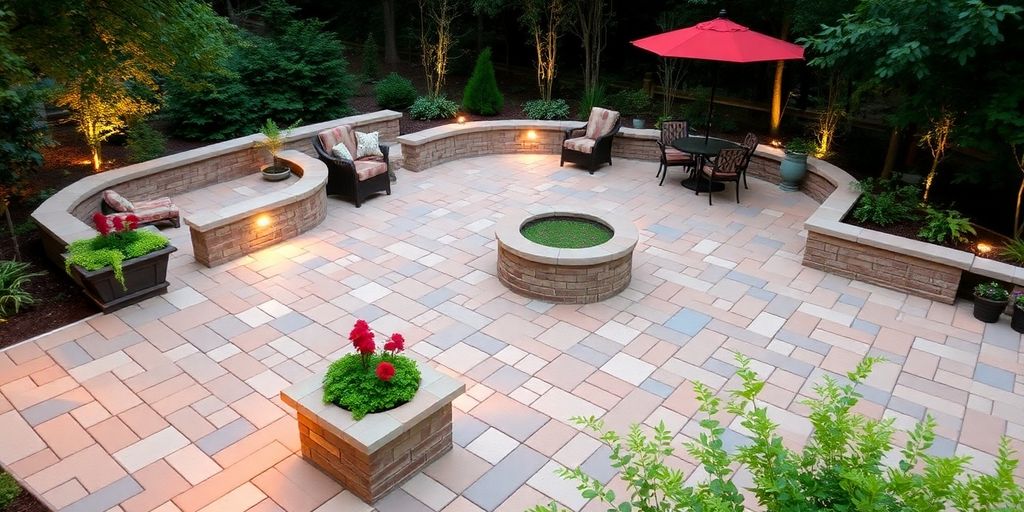
So, you’ve got your pavers picked out and a design in mind. Now comes the fun part: making your patio functional. It’s not just about a pretty surface; it’s about creating a space you’ll actually use and enjoy. Let’s talk about some features that can really transform your paver patio.
Built-In Seating Areas
Forget clunky patio furniture that takes up space and needs constant rearranging. Built-in seating is the way to go for a seamless and stylish look. Imagine seating walls made from the same pavers as your patio, blending right in. These can be simple benches or more elaborate designs with backrests and even storage underneath. Built-in seating not only saves space but also creates a more permanent and inviting feel. Plus, you can customize the height and depth to perfectly suit your comfort.
Fire Pits and Outdoor Kitchens
Want to take your patio to the next level? Consider adding a fire pit or even a full-blown outdoor kitchen. A fire pit instantly creates a cozy gathering spot, perfect for cool evenings and roasting marshmallows. You can choose from pre-made kits or design a custom fire pit using pavers that match your patio.
An outdoor kitchen is a game-changer for anyone who loves to cook and entertain. Think built-in grills, countertops, sinks, and even a small refrigerator. It’s like bringing your indoor kitchen outside, making it easy to prepare meals and drinks while enjoying the fresh air. Just remember to plan for proper ventilation and utilities when designing your outdoor kitchen.
Lighting Options
Don’t let the fun end when the sun goes down. Lighting is key to creating a welcoming and functional patio space at night. There are tons of options to choose from, depending on your style and budget. String lights are a classic choice, adding a warm and festive glow. Path lights can illuminate walkways and highlight landscaping features. And for a more modern look, consider installing LED lights directly into the pavers.
Think about the overall ambiance you want to create. Do you want a soft, romantic glow or bright, task-oriented lighting? Layering different types of lighting can help you achieve the perfect balance.
When planning your patio, remember that proper base preparation is key for a long-lasting result. This is especially true if you’re planning an interlocking pavers installation. Make sure to excavate the area, lay down a gravel base, and compact it properly. This will prevent settling and shifting of the pavers over time.
Here’s a quick guide to lighting options:
| Lighting Type | Pros | Cons |
|---|---|---|
| String Lights | Affordable, easy to install | Can be fragile, limited brightness |
| Path Lights | Illuminates walkways, adds safety | Requires wiring, can be obtrusive |
| Paver Lights | Seamless look, durable | More expensive, requires professional installation |
Designing Around Your Outdoor Space
When planning your paver patio, it’s important to think about how it will fit into your existing outdoor area. It’s not just about slapping down some pavers; it’s about creating a space that feels natural and works with what you already have. Let’s get into the details.
Assessing Available Space
Before you even start dreaming about fancy designs, take a good, hard look at your yard. How much space do you actually have? Don’t just guess; measure it out. Think about the shape of the area, too. Is it a perfect rectangle, or something more unusual? This will affect the kind of patio you can build. Also, consider any restrictions, like utility lines or property boundaries. You don’t want to start building, only to find out you’re in the wrong place. River Stonework can help you select the right patio pavers based on your space.
Considering Existing Landscape
Think about what’s already there. Do you have a beautiful tree you want to keep? Or maybe a flower bed you love? You’ll need to design your patio around these features. It might mean adjusting the shape or size of your patio, but it’s worth it to create a cohesive look. Also, pay attention to the slope of your yard. You don’t want a patio that’s constantly flooded when it rains. Proper drainage is key.
Defining Patio Purpose
What do you want to use your patio for? Is it for grilling and eating? Relaxing with a book? Entertaining a crowd? The answer to this question will influence everything from the size of your patio to the type of furniture you choose. If you’re planning on hosting big parties, you’ll need more space than if it’s just for you and a few friends. And if you’re into grilling, you might want to consider a built-in outdoor kitchen. Keep in mind current [backyard design trends].
Think about the flow of traffic. How will people move from your house to the patio, and then around the patio itself? Make sure there are clear pathways and that the space feels open and inviting. You don’t want people tripping over furniture or feeling cramped.
Enhancing Your Paver Patio With Landscaping
Integrating Plants and Flowers
Okay, so you’ve got your paver patio all set, right? Now it’s time to make it pop with some greenery. I’m not talking about just sticking a few pots here and there. Think about really integrating plants and flowers to soften the hard lines of the pavers.
- Consider the sunlight your patio gets. Some plants love full sun, while others prefer shade.
- Think about the colors and textures you want. Do you want a riot of color, or something more subtle and calming?
- Don’t forget about maintenance. Some plants need a lot of care, while others are pretty low-maintenance.
I remember when I first put in my patio, it looked so sterile. Adding plants completely changed the vibe. It went from a boring slab of pavers to a relaxing outdoor oasis. Trust me, it makes a huge difference.
Adding Decorative Borders
Decorative borders can really define the space and add a touch of elegance. You can use different types of pavers, stones, or even plants to create a border around your patio. This is a great way to add visual interest and separate the patio from the rest of your yard.
- Use contrasting colors or textures to make the border stand out.
- Consider using a different paver pattern for the border.
- Add a low-growing hedge or border of flowers.
Creating Zones with Hardscaping
Hardscaping isn’t just about pavers. It’s about using different materials to create distinct zones within your outdoor space. Think about adding a small gravel area for a fire pit, or a stone pathway leading to a garden.
| Zone | Purpose | Materials Used |
|---|---|---|
| Dining Area | Eating and entertaining | Pavers, outdoor table |
| Lounge Area | Relaxing and socializing | Pavers, comfortable seating |
| Fire Pit Area | Warmth and ambiance | Gravel, fire pit, chairs |
By using different materials and levels, you can create a more interesting and functional outdoor space. It’s all about making the most of your available area and creating a space that you’ll love to spend time in.
Maintaining Your Paver Patio
So, you’ve got your paver patio all set up and it looks amazing! But like anything else, it needs a little love to keep it looking its best. Don’t worry, it’s not rocket science. Here’s the lowdown on keeping your pavers in tip-top shape.
Regular Cleaning Techniques
Okay, first things first: regular cleaning. This is your first line of defense against grime and gunk. Think of it like brushing your teeth, but for your patio. A simple sweep with a broom to get rid of leaves and debris is a great start. For a deeper clean, you can use a hose with a spray nozzle. If you’ve got some stubborn stains, a bit of mild soap and water usually does the trick. Just avoid harsh chemicals, as they can damage the pavers. I usually try to do a quick sweep once a week and a more thorough cleaning once a month.
Sealing Pavers
Sealing your pavers is like giving them a raincoat. It helps protect them from stains, fading, and the elements. It’s not a must, but it can definitely extend the life of your patio. You’ll want to clean the pavers thoroughly before sealing. There are different types of sealers out there, so read the labels and pick one that’s right for your pavers. Usually, you apply it with a roller or sprayer. I sealed mine last year, and I’ve noticed a big difference in how easy it is to clean.
Repairing Damaged Areas
Even with the best care, pavers can sometimes get damaged. Maybe one cracks, or shifts out of place. The good news is, it’s usually a pretty easy fix. You can pry out the damaged paver with a screwdriver and replace it with a new one. Make sure to level the base underneath before you put the new paver in. If the pavers have shifted, you might need to add some sand to the joints to stabilize them. I had to replace a couple after a particularly rough winter, and it only took me an afternoon.
Finding Inspiration For Your Paver Patio
Sometimes, the hardest part of any project is just getting started. When it comes to designing your outdoor patio ideas, finding the right inspiration can make all the difference. Don’t feel pressured to reinvent the wheel; instead, look at what others have done and see how you can adapt their ideas to fit your space and style. A great patio is a blend of personal taste and proven design principles.
Showcasing Unique Designs
One of the best ways to get inspired is to look at a variety of unique designs. Check out home and garden magazines, design blogs, and social media platforms like Pinterest and Instagram. Pay attention to the details that catch your eye – the color combinations, the paver patterns, the furniture choices, and the overall layout. Consider how these elements work together to create a cohesive and inviting space. Think about what makes each design special and how you can incorporate similar elements into your own patio.
Learning From Professional Installations
Professional landscapers and designers have years of experience creating beautiful and functional outdoor spaces. Take the time to browse their portfolios and see what they’ve done for other clients. Look for common themes and design principles that you can apply to your own project. Professional installations often showcase innovative uses of materials, creative layouts, and attention to detail that can spark your own imagination. Plus, they often have great patio design tips.
Utilizing Online Resources
The internet is a treasure trove of information and inspiration for paver patio designs. Websites like Houzz, DIY networks, and home improvement forums offer a wealth of ideas, tips, and tutorials. You can find everything from basic design principles to step-by-step installation guides. Many online resources also allow you to connect with other homeowners and professionals, ask questions, and get feedback on your design ideas.
Don’t be afraid to experiment and try new things. The best patio designs are often those that are tailored to the individual’s unique needs and preferences. Gather as much inspiration as you can, and then start to put your own personal touch on the design.
When you’re looking to create a beautiful paver patio, inspiration can come from many places. Think about your favorite outdoor spaces, colors, and styles. You can also check out our website for ideas and tips to help you design the perfect patio for your home. Don’t wait—visit us today to start planning your dream outdoor area!
Wrapping Up Your Paver Patio Journey
So there you have it! Designing your paver patio can be a fun and rewarding project. With the right materials, patterns, and a bit of creativity, you can create a space that fits your style and needs. Whether you decide to tackle this on your own or bring in some help, just remember to keep your vision clear and enjoy the process. Your patio will not only enhance your outdoor area but also become a place for memories with family and friends. So roll up your sleeves, get inspired, and start building your perfect paver patio!
Frequently Asked Questions
What materials can I use for my paver patio?
You can choose from concrete, brick, or natural stone. Each type has its own look and feel.
What are some popular patterns for paver patios?
Common patterns include herringbone, running bond, and basketweave. Each pattern gives a different style to your patio.
How can I make my paver patio more functional?
You can add built-in seating, fire pits, or outdoor kitchens to make the space more useful.
What should I consider when designing my patio?
Think about how much space you have, what plants are already there, and how you want to use the patio.
How do I take care of my paver patio?
Regular cleaning, sealing the pavers, and fixing any damage will help keep your patio looking good.
Where can I find ideas for my paver patio design?
Look at unique designs online, check out professional work, or browse home improvement sites for inspiration.
