

If you’re looking to give your home a fresh look, a paver driveway might just be the upgrade you need. These driveways not only enhance the overall appeal of your property but also bring a host of practical benefits. From their durability to the endless design options available, paver driveways are a stylish and smart choice for homeowners. Let’s dive into why you should consider this stylish upgrade for your home.
Summary Points
- Paver driveways boost curb appeal significantly.
- They are durable and can last longer than traditional materials.
- Installation offers various design options to match your home.
- Regular maintenance is simple and cost-effective.
- Pavers can help manage water runoff and are environmentally friendly.
Benefits of Paver Driveway Installation
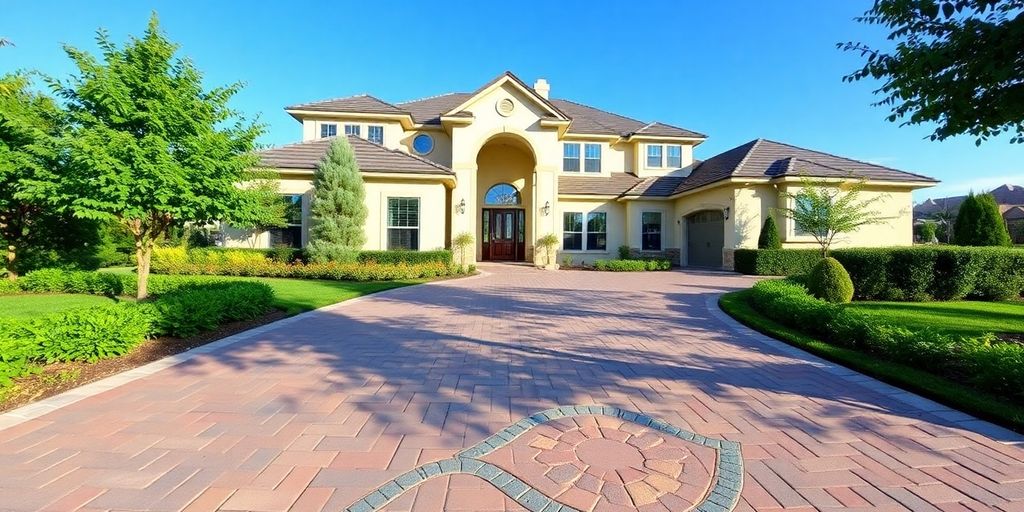
Paver driveways? Okay, so maybe you’re thinking about getting one. Let’s talk about why that might be a good idea. It’s not just about looking fancy (though they do look pretty great). There are some real, practical upsides to consider.
Enhanced Curb Appeal
Let’s be real, first impressions matter. A paver driveway can seriously boost your home’s curb appeal. Think about it: instead of a boring slab of concrete, you’ve got a stylish, eye-catching design that makes your house stand out. It’s like giving your home a mini-makeover, and it’s way easier than repainting the whole thing.
Increased Home Value
Okay, so this is where things get interesting. A nice-looking driveway isn’t just for show; it can actually increase your home’s value. People are willing to pay more for a house that looks well-maintained and has those extra touches of class. It’s an investment that can pay off when you decide to sell. Plus, it makes coming home every day a little nicer. Who doesn’t want that?
Durability and Longevity
Pavers are tough. Like, really tough. They can handle all kinds of weather, from scorching sun to freezing temperatures, without cracking or falling apart. This means you won’t have to worry about constant repairs or replacements, which saves you money and hassle in the long run. They’re also designed to withstand heavy loads, so parking your car or truck on them won’t be a problem. Basically, they’re built to last.
Think of it this way: a paver driveway is like a good pair of boots. They might cost a bit more upfront, but they’ll last for years and keep your feet happy. Same goes for your driveway – invest in quality, and you’ll be set for the long haul.
Here’s a quick rundown of why pavers are so durable:
- They’re made from strong materials like concrete or brick.
- They’re designed to interlock, which distributes weight evenly.
- They’re resistant to cracking and fading.
Importance of Curb Appeal with Driveway Pavers
Okay, so you’re thinking about home exterior upgrades, right? Don’t underestimate the driveway! It’s not just a place to park your car; it’s a big part of what people see when they look at your house. A paver driveway can seriously boost your home’s curb appeal. It’s like giving your house a facelift, but for its driveway.
First Impressions Matter
Think about it: what’s the first thing people notice when they pull up to your house? Probably the driveway. A well-designed paver driveway makes a statement. It tells people you care about your property and that you pay attention to detail. It sets the tone for the rest of the house.
Attracting Potential Buyers
If you’re planning to sell your house, curb appeal is even more important. Buyers make snap judgments, and a nice driveway can be a major selling point. It can be the difference between someone wanting to take a look inside or driving right past. A paver driveway is an investment that can pay off big time when it’s time to sell.
Boosting Property Value
Paver driveways can actually increase your home’s value. They’re seen as a premium feature, and they can make your house stand out from others in the neighborhood. Plus, they’re durable and long-lasting, which is something buyers appreciate. It’s a win-win situation.
Upgrading to a paver driveway is more than just an aesthetic choice; it’s a strategic move that can significantly impact how your home is perceived and valued. It’s about creating a positive and lasting impression.
Steps to Install a Paver Driveway
Preparing the Site
Okay, so first things first, you gotta get the area ready. This means ripping out whatever’s there now – old asphalt, grass, whatever. You’ll need to dig down a bit, usually around 6-8 inches, but it depends on your local climate and soil. Make sure the area is level, or slightly sloped for water runoff. This is one of the most important driveway installation tips. You don’t want any puddles forming on your new driveway!
Laying the Base
Next up is the base. This is super important because it’s what keeps your pavers from sinking or shifting over time. You’ll want to put down a layer of gravel, usually a few inches thick, and then compact it really well. After the gravel, you’ll add a layer of sand. This sand layer needs to be perfectly level, so use a screed to smooth it out. Think of it like frosting a cake – you want it nice and even.
Arranging the Pavers
Now for the fun part! Laying the pavers. You can choose whatever pattern you like – herringbone, running bond, basketweave, the options are endless. Start from one edge and work your way across, making sure the pavers are snug but not too tight. You’ll probably need to cut some pavers to fit around the edges, so a paver cutter or a wet saw is your friend here. Once all the pavers are in place, use a plate compactor to set them into the sand. Finally, sweep sand into the joints between the pavers to lock everything in place. Give it a good watering to help the sand settle.
Getting the base right is absolutely key. If you skimp on this step, your pavers will shift and sink over time, and you’ll end up with a driveway that looks terrible and needs constant repair. Take your time and do it right the first time.
Design Options for Paver Driveways
Color and Texture Choices
When it comes to paver driveways, the options are pretty vast. You aren’t stuck with boring gray concrete! You can choose from a wide array of colors, from earthy browns and reds to modern grays and blacks. The texture also plays a big role. Some pavers have a smooth, sleek finish, while others are more rustic with a textured surface. The right combination can really make your driveway stand out.
Pattern Variations
Beyond color and texture, the pattern you choose for your pavers can dramatically change the look of your driveway. Here are a few popular options:
- Herringbone: A classic pattern that adds a touch of elegance.
- Basket Weave: A simple, yet stylish pattern that’s easy to install.
- Running Bond: A straightforward pattern that works well with rectangular pavers.
- Circular: A more complex pattern that creates a focal point.
Choosing the right pattern depends on the style of your home and your personal preferences. Don’t be afraid to experiment with different layouts to see what looks best. Thinking about driveway paving services can help you decide.
Customizable Layouts
One of the best things about using interlocking pavers for your driveway is the ability to create a truly custom design. You’re not limited to standard patterns. You can mix and match different colors, textures, and sizes to create a unique look that reflects your style. Consider adding borders, accents, or even incorporating decorative elements like stones or gravel.
Planning your driveway layout is key. Think about the shape of your driveway, the size of your pavers, and the overall look you want to achieve. It’s a good idea to sketch out your design before you start laying the pavers to make sure everything fits together perfectly. Also, consider the landscaping ideas for driveways to complement your design.
Ultimately, the design of your paver driveway is limited only by your imagination. With so many outdoor paving options available, you can create a driveway that’s both beautiful and functional.
Maintenance Tips for Paver Driveways
Paver driveways are pretty durable, but they still need some love to keep looking their best. Think of it like this: a little effort now saves you a lot of headaches (and money) later. Here’s the lowdown on keeping your paver driveway in tip-top shape.
Regular Cleaning Practices
Okay, so dirt happens. Leaves, grime, maybe even the occasional oil drip – it all adds up. The good news is, regular cleaning is super easy. Just grab a broom and sweep away loose debris. For tougher stuff, a hose with a spray nozzle usually does the trick. If you’re feeling fancy, you can use a pressure washer, but be careful not to blast the pavers too hard, or you could damage them. A mild detergent can help with stubborn stains, but always test it in a small, hidden area first to make sure it doesn’t discolor the pavers.
Sealing for Longevity
Think of sealing your pavers like applying sunscreen – it protects them from the elements. Sealer helps prevent stains, fading, and even weed growth. How often you need to seal depends on your climate and how much traffic your driveway gets.
Generally, every 2-3 years is a good rule of thumb. Before sealing, make sure the pavers are clean and dry. You can apply the sealer with a roller or sprayer, following the manufacturer’s instructions. It’s a pretty straightforward process, but it makes a big difference in the long run.
Repairing Damaged Pavers
Even with the best care, pavers can sometimes crack or shift. The beauty of a paver driveway is that you can usually replace individual pavers without tearing up the whole thing. Here’s how:
- Carefully remove the damaged paver. You might need a screwdriver or chisel to loosen it.
- Clear away any debris or sand from the area.
- Add some fresh bedding sand to level the base.
- Place the new paver in the space and gently tap it into place with a rubber mallet.
- Add sand between the paver joints to lock everything in.
If you’re not comfortable doing it yourself, a professional can handle the repair quickly and easily.
Environmental Benefits of Paver Driveways
Permeable Paver Options
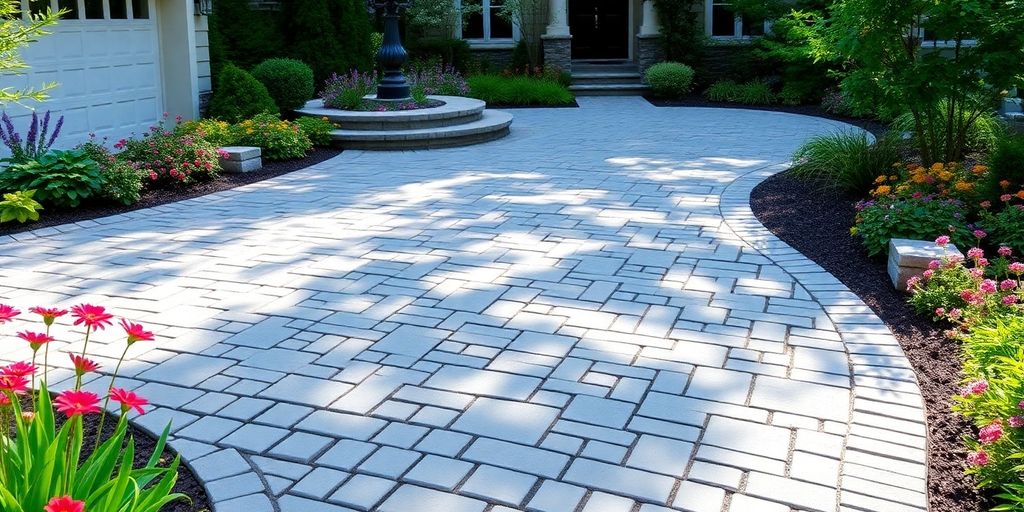
Permeable pavers are a game-changer. Instead of water running off into the street, permeable pavers allow rainwater to filter back into the ground. This helps recharge groundwater supplies and reduces the strain on storm sewers. It’s a simple change that can make a big difference for local water management.
Water Management
Paver driveways can play a significant role in managing stormwater runoff. By reducing the amount of impervious surface on your property, you’re helping to prevent flooding and erosion. Traditional driveways send rainwater rushing into storm drains, often overwhelming the system. Pavers offer a more sustainable solution.
Here’s a quick look at how pavers compare to other materials in terms of water runoff:
| Material | Runoff Coefficient |
|---|---|
| Asphalt | 0.85 – 0.90 |
| Concrete | 0.80 – 0.95 |
| Permeable Pavers | 0.05 – 0.40 |
Sustainable Materials
More and more paver manufacturers are focusing on using recycled materials in their products. This reduces the demand for new resources and helps divert waste from landfills. Choosing pavers made from recycled content is a great way to make your driveway more environmentally friendly.
Using sustainable materials for your driveway isn’t just good for the planet; it can also add a unique aesthetic appeal. Look for pavers made from recycled glass, concrete, or even reclaimed brick for a truly eco-conscious design.
Comparing Paver Driveways to Other Materials
Concrete vs. Pavers
When you’re thinking about a new driveway, concrete and pavers are often the first options that come to mind. Concrete is generally cheaper upfront, but it’s prone to cracking over time, especially with temperature changes. Pavers, on the other hand, offer more flexibility. They can shift and settle without cracking, and if one gets damaged, you can replace it individually. Plus, pavers come in a huge range of colors and styles, letting you customize your driveway’s look. Concrete is more limited in design. Pavers are created by pouring a mixture of concrete and coloring agents into a mold and then carefully placing them on a foundation made of compacted stone and sand. The space between individual pavers is typically filled with polymeric sand, which enhances their stability and provides resistance against movement under traffic. This locking effect allows for stronger connections between the pavers, ensuring that they remain intact even when subjected to heavy loads or changing weather conditions. The beauty of pavers lies in their variability. They can be crafted from various materials, including concrete or natural stones such as limestone, bluestone, basalt, sandstone, and granite. Each material offers its own unique characteristics in terms of color palette, texture, durability, and strength.
Choosing between concrete and pavers really depends on your budget, aesthetic preferences, and how much maintenance you’re willing to do. Concrete is simpler, but pavers offer more design flexibility and long-term durability.
Asphalt vs. Pavers
Asphalt is another common driveway material, known for its dark color and smooth surface. It’s usually less expensive than pavers to install initially. However, asphalt needs regular sealing to prevent it from cracking and fading. Pavers don’t require sealing as often, making them lower maintenance in the long run. Asphalt also absorbs more heat than pavers, which can make your driveway uncomfortably hot in the summer. Pavers, especially lighter-colored ones, reflect more sunlight and stay cooler. Asphalt is considered a really good option for driveways because of the reasonable cost. Paver driveways go beyond enhancing curb appeal and adding style to your home’s exterior. They offer a range of practical benefits that make them a popular choice among homeowners. One significant advantage is their durability and strength compared to other paving materials, such as concrete or asphalt. Additionally, paver driveways allow for easier maintenance and repair, making repairs more manageable and cost-effective in the long run. Another advantage worth highlighting is the ability to customize the design and pattern of your driveway using pavers.
Cost-Effectiveness Over Time
While pavers might have a higher upfront cost than asphalt or concrete, they can be more cost-effective in the long run. Here’s why:
- Durability: Pavers are extremely durable and can withstand heavy traffic, weather conditions, and wear and tear. They are made of high-quality materials that are resistant to cracking, chipping, and breaking. This means that your driveway will last for many years, giving you peace of mind and saving you money in the long run and is a great way to upgrade your home’s curb appeal.
- Low Maintenance: Paver driveways are relatively low-maintenance compared to other driveway materials. They don’t require regular sealing, and any stains or spills can be easily cleaned with soap and water. Additionally, if any pavers do get damaged, they can be replaced individually without having to replace the entire driveway.
- Increased Home Value: A paver driveway can increase your home’s value. Potential buyers are often willing to pay more for a home with a well-maintained and attractive driveway. Paver driveways go beyond enhancing curb appeal and adding style to your home’s exterior. They offer a range of practical benefits that make them a popular choice for homeowners looking to improve their property’s value and increase their enjoyment.
Consider this table:
| Material | Initial Cost | Maintenance | Lifespan | Resale Value | Stormwater Management |
|---|---|---|---|---|---|
| Asphalt | Low | High | 15-20 yrs | Neutral | Poor |
| Concrete | Medium | Medium | 25-50 yrs | Neutral | Poor |
| Pavers | High | Low | 50+ yrs | High | Better |
Ultimately, the best choice depends on your specific needs and budget. But when you factor in long-term costs and aesthetic appeal, pavers often come out on top.
When you think about driveways, you might wonder which material is best. Paver driveways stand out because they are strong and look great. Compared to concrete or asphalt, pavers offer more design options and can last longer. If you’re curious about how paver driveways measure up against other materials, check out our website for more details and to see examples of our work!
Final Thoughts on Paver Driveways
So, there you have it! A paver driveway isn’t just about looks; it’s a smart choice for any homeowner. With all the styles and colors to pick from, you can really make your driveway stand out. Plus, they last longer and are easier to fix than regular concrete or asphalt. If you’re thinking about sprucing up your home’s curb appeal, a paver driveway could be just the upgrade you need. It’s a small change that can make a big impact. Don’t wait too long—reach out to a pro and get started on your stylish new driveway!
Frequently Asked Questions
What are the main benefits of installing a paver driveway?
Paver driveways boost your home’s curb appeal, increase its value, and are very durable. They come in many designs and colors, allowing you to customize your driveway.
How does a paver driveway improve curb appeal?
A paver driveway looks attractive and can make your home stand out. It creates a great first impression for visitors and potential buyers.
What steps are involved in installing a paver driveway?
To install a paver driveway, you need to prepare the site, lay a solid base, and then arrange the pavers in your chosen pattern.
What design options are available for paver driveways?
You can choose from various colors, textures, and patterns for your paver driveway. This allows you to create a unique look that matches your home.
How do I maintain my paver driveway?
Regular cleaning is important to keep your paver driveway looking good. You should also seal it to protect it and repair any damaged pavers as needed.
Are paver driveways environmentally friendly?
Yes! Some paver driveways are made with permeable materials that allow water to drain through them, which helps manage rainwater and reduces runoff.
