

If you’re looking to spice up your outdoor space, a paver walkway can do wonders. It’s not just about making a path; it’s about creating an inviting entrance to your home. With the right design and planning, you can turn a simple walkway into a stunning feature that adds both beauty and function to your yard. Let’s explore some innovative ideas and practical tips for crafting the perfect paver walkway.
What You Need to Know
- Choose a design that fits your style, like interlocking or mosaic patterns.
- Consider using permeable pavers to help with drainage and reduce runoff.
- Incorporate lighting to enhance safety and create a welcoming atmosphere.
- Regular maintenance is key to keeping your walkway looking great for years.
- Budget for both materials and labor to ensure your project stays on track.
Innovative Design Techniques for Paver Walkways
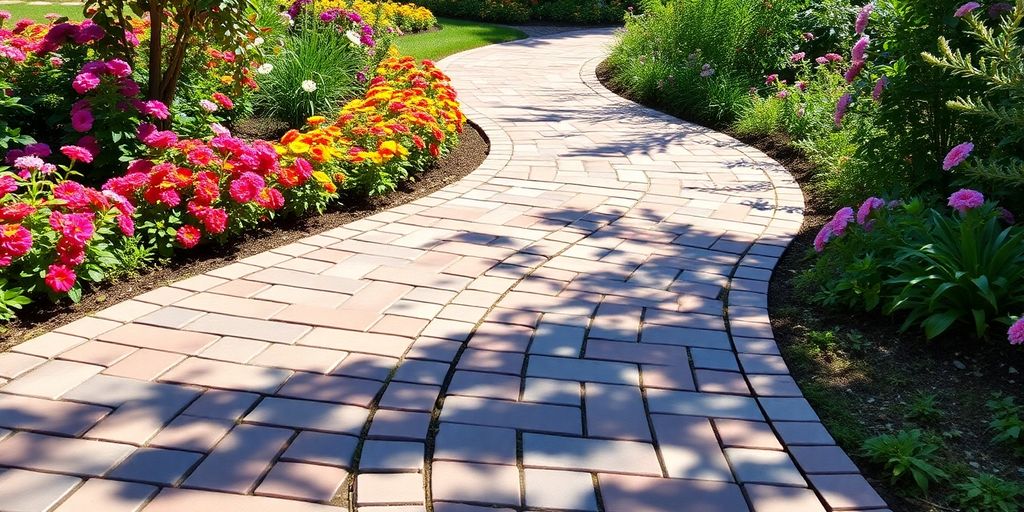
When planning outdoor pathway designs, it’s easy to stick to the basics, but there’s a whole world of cool stuff you can do with pavers. Let’s look at some ideas to make your walkway stand out.
Interlocking Patterns
Interlocking patterns aren’t just pretty; they add strength to your walkway. Think about these:
- Herringbone: Good for heavy use because it spreads the weight evenly.
- Basketweave: A classic look that fits well with older homes.
- Stretcher Bond: Simple and can make small spaces seem bigger.
Mosaic Designs
Mosaic designs let you get really creative with your walkway. Using different colors and shapes, you can make a piece of art right in your yard. It might cost a bit more, but it’s worth it if you want something unique.
Permeable Options
Permeable pavers are great for the environment. They let water go through them, which helps stop runoff and erosion. If you live where it rains a lot, these are a good choice. They help put water back into the ground and can lower the chance of flooding.
Lighting Solutions
Adding lights to your paver walkway makes it safer and gives it a nice look at night. Here are some ideas:
- Solar lights: Easy to put in and don’t use much energy.
- LED strip lights: Great for outlining the walkway’s edges.
- Accent lighting: Use these to highlight certain spots or features.
Paver walkways can be more than just a path. With some creative design, they can become a focal point of your outdoor space. Think about how different patterns, colors, and lighting can change the whole feel of your yard.
Planning Your DIY Paver Walkway
So, you’re thinking about putting in a paver walkway yourself? Awesome! It’s totally doable, and honestly, there’s something super satisfying about stepping back and saying, “I made that.” But before you even think about buying pavers, you gotta plan. Seriously, good planning is like, 90% of the battle. Trust me, I’ve learned the hard way.
Site Selection
First things first: where’s this walkway gonna go? Think about where people actually walk. Is it a shortcut to the garden? A path from the driveway to the front door? You want it to make sense. Also, scope out the ground. Is it flat? Is there a giant tree root in the way? You’ll want to avoid spots that are super uneven or have a ton of obstacles. And hey, before you start digging, call 811. It’s free, and they’ll come out and mark any underground utilities. You really don’t want to hit a gas line. I mean, really don’t.
Design Options
Okay, now for the fun part: what’s it gonna look like? You can go super simple with a basic running bond pattern (that’s just like bricks in a wall), or you can get fancy with herringbone or even a mosaic. Keep in mind, the more complicated the design, the more cutting and fitting you’ll have to do. If you’re a beginner, maybe stick with something straightforward. You can always add some flair with a cool border later. I found some inspiration on Pinterest, maybe you can too!
Material Choices
Time to talk materials. Obviously, you need pavers. But there are a million different kinds! Concrete pavers are usually the cheapest and easiest to find. Brick pavers have a classic look, but they can be more expensive. And then there’s natural stone, which is gorgeous but also the most pricey. Don’t forget about the base! You’ll need gravel and sand to create a solid foundation. And polymeric sand to lock everything in place once you’re done. It’s a lot to think about, but getting the right materials makes all the difference.
I remember when I did my first walkway, I totally skimped on the base. I thought, “Eh, it’ll be fine.” Big mistake! Within a year, the pavers were all uneven and wobbly. I had to tear the whole thing up and start over. Lesson learned: don’t cheap out on the foundation!
Enhancing Aesthetics with Paver Walkways
Paver walkways aren’t just functional; they’re a chance to seriously boost your home’s curb appeal. Think of it as landscaping with pavers to create a welcoming path. It’s all about making your walkway a visual treat.
Color Combinations
Choosing the right colors can make a huge difference. Darker pavers can create a sense of formality, while lighter shades feel more casual and inviting. Consider your home’s exterior color and style when selecting paver colors. Contrasting colors can highlight the walkway, while complementary colors create a more subtle, blended look. Don’t be afraid to mix and match, but keep it balanced.
Textured Finishes
Pavers come in a variety of textures, from smooth to rough. A textured finish can add character and prevent slips, especially in wet areas. Consider tumbled pavers for a rustic look or smooth pavers for a modern feel. The texture also affects how light reflects off the pavers, so think about how it will look at different times of day. You can find great walkway paving in Jacksonville to match your style.
Border Designs
Borders are a great way to define your walkway and add visual interest. You can use different colored pavers, different sized pavers, or even different materials altogether. A simple border can be as effective as a more elaborate one. Think about using a contrasting color to make the border pop, or a similar color for a more subtle effect. Borders also help to keep the pavers in place and prevent them from shifting over time. Consider how your garden walkways will integrate with the rest of your yard.
A well-designed paver walkway can transform your outdoor space into something special. It’s not just about getting from point A to point B; it’s about creating a journey that’s both beautiful and functional. Take the time to plan your design carefully, and you’ll be rewarded with a walkway that you’ll enjoy for years to come.
Functional Features of Paver Walkways
Safety Considerations
When you’re thinking about putting in a paver walkway, safety should be a big deal. Making sure your walkway is safe involves a few things, like good lighting and a smooth, even surface. Uneven pavers can be a tripping hazard, especially for older folks or anyone with mobility issues. Also, think about how the pavers react when they’re wet. Some materials get super slippery, which isn’t ideal. You might want to look into pavers with a bit of texture to give better grip. It’s also smart to think about the path itself – avoid sharp turns or narrow spots where people might bump into things. Good design can really cut down on accidents.
Accessibility Features
Making your paver walkway accessible is about making it easy for everyone to use, no matter their abilities. This means thinking about things like wheelchair access and ease of navigation for people with walkers or other mobility aids. Here are some ideas:
- Ramps instead of steps: If you have any changes in elevation, consider adding a ramp with a gentle slope. This makes it way easier for wheelchairs and strollers.
- Wide pathways: Make sure the walkway is wide enough for two people to walk side-by-side, or for someone using a wheelchair to move comfortably. A minimum width of 4 feet is a good starting point.
- Smooth, even surfaces: Avoid using pavers that are too textured or have large gaps between them, as these can be difficult to navigate with mobility devices. Paver walkway ideas can help you find the right materials.
Accessibility isn’t just about meeting legal requirements; it’s about making your outdoor space welcoming and usable for everyone. By thinking about these features during the design process, you can create a walkway that’s both beautiful and inclusive.
Drainage Solutions
Proper drainage is super important for keeping your paver walkway in good shape and preventing water damage. If water pools on the surface, it can lead to slippery conditions, weed growth, and even damage to the pavers themselves. Here’s what to consider:
- Slope: Make sure your walkway has a slight slope to allow water to run off to the sides. A general rule is about 1/4 inch of slope per foot of walkway.
- Permeable pavers: These are designed to let water seep through them and into the ground below, reducing runoff and preventing puddles. They’re a great choice if you’re dealing with heavy rainfall or want to be eco-friendly.
- Drainage channels: If you have a long walkway or one that’s prone to flooding, consider adding drainage channels along the sides to collect and redirect water. These can be simple trenches filled with gravel or more elaborate systems with grates and pipes.
Creative Lighting Ideas for Paver Walkways
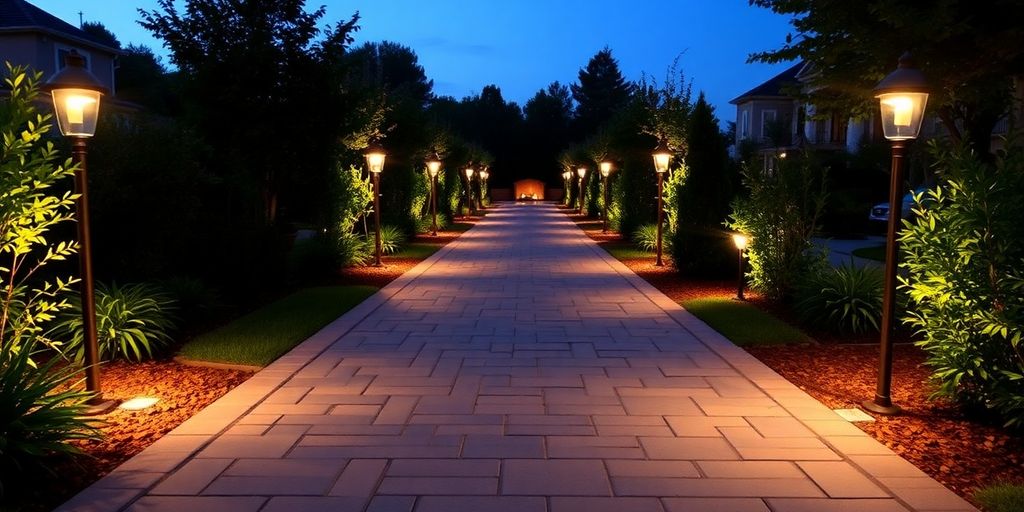
Okay, so you’ve got your paver walkway all set, right? But have you thought about lighting? It’s a game-changer, trust me. It’s not just about seeing where you’re going at night; it’s about setting a whole mood. Plus, it adds a layer of safety, which is always a good thing. Let’s look at some ideas.
Solar Path Lights
Solar lights are probably the easiest way to go. You just stick them in the ground, and they charge during the day. No wiring needed! The downside? They might not be super bright, and they depend on the sun, obviously. But for a simple, eco-friendly option, they’re great. I put some along my garden path last summer, and they looked so cute. Plus, they’re cheap!
LED Strip Lighting
LED strip lights are cool because you can get really creative with them. You can run them along the edges of your walkway, under pavers, or even wrap them around plants nearby. They come in all sorts of colors, too, so you can change things up depending on the season or your mood. Just make sure you get the outdoor kind that’s waterproof! I saw someone use blue ones for a Halloween party, and it looked awesome.
Accent Lighting Techniques
Accent lighting is all about highlighting specific features. Think about using spotlights to shine on a cool plant, a water feature, or even just a particularly nice section of your walkway. You can also use up-lighting to create dramatic shadows. It’s like turning your yard into an art gallery at night. I’m thinking of adding some to highlight my Japanese maple; it would look so cool!
Lighting can really transform your paver walkway from a simple path to a stunning feature of your yard. It’s worth spending some time thinking about what kind of look you’re going for and experimenting with different options. Don’t be afraid to get creative and have fun with it!
Maintenance Tips for Your Paver Walkway
Cleaning Tips
Keeping your paver walkway clean doesn’t have to be a huge chore. Regular cleaning is key to keeping it looking great and lasting longer. I usually start by sweeping away any loose dirt or leaves with a broom. Then, I rinse it down with the garden hose. For tougher spots, I’ll use a pressure washer, but you have to be careful not to blast away the joint sand between the pavers. For oil or grease stains, there are special paver cleaners you can get, but always test them in a small, hidden area first to make sure they don’t discolor the pavers.
Repairing Damaged Pavers
Even with good care, pavers can sometimes get damaged. If you have a cracked or chipped paver, it’s best to replace it as soon as possible to prevent further damage. Here’s a quick rundown:
- Carefully remove the damaged paver. You might need a screwdriver or chisel to help loosen it.
- Clear away any old sand or debris from the area.
- Add a fresh layer of bedding sand.
- Set the new paver in place and tap it gently with a rubber mallet to level it with the surrounding pavers.
- Finally, sweep new joint sand into the gaps between the pavers.
Seasonal Care
Different seasons bring different challenges for paver walkways. Here’s how I handle it:
- Winter: I use calcium-based de-icers because they’re less likely to damage the pavers than magnesium-based ones. And I always use a plastic shovel to avoid scratching the surface.
- Spring: This is when I tackle any dirt or mud stains that built up over the winter. A gentle power wash usually does the trick.
- Summer: I try to reseal the pavers every few years to protect them from the sun and rain. It really helps keep the color from fading.
- Fall: I make sure to clear away leaves and debris regularly to prevent staining and damage. It’s a bit of a pain, but it’s worth it in the long run.
Taking care of your paver walkway is an investment. A little bit of regular maintenance can really extend its life and keep it looking its best for years to come.
Cost Considerations for Paver Walkways
Budgeting for Materials
Okay, so you’re thinking about a paver walkway? Awesome! First thing’s first: the materials. This is where a big chunk of your money will go. You’ve got your pavers, obviously, and those come in all sorts of materials like concrete, brick, or even fancy stuff like granite. Concrete’s usually the cheapest, but granite looks amazing and lasts forever. Don’t forget the base materials! You’ll need gravel, sand, and maybe some landscape fabric. Prices change depending on where you live and what’s available, so shop around.
- Pavers (Concrete, Brick, Granite, etc.)
- Gravel (Base Layer)
- Sand (Setting Bed)
- Landscape Fabric (Weed Barrier)
Labor Costs
Are you a DIY warrior, or are you going to hire someone? If you’re hiring, labor costs can really add up. Get a few quotes from different contractors before you decide. Some contractors charge by the hour, and others charge by the square foot. Make sure you know what’s included in the quote. Does it cover everything, or are there extra fees for things like hauling away old materials or dealing with unexpected problems? Also, don’t just go for the cheapest option. Check reviews and make sure they do good work.
Long-Term Value
Think of a paver walkway as an investment. Yeah, it costs money upfront, but it can actually add value to your property. A well-designed and well-maintained walkway looks great and makes your yard more appealing. Plus, pavers are super durable, so you won’t have to replace them anytime soon. That saves you money in the long run.
A paver walkway isn’t just a path; it’s an upgrade to your home. It boosts curb appeal, makes your yard more functional, and can even increase your property value. Think of it as an investment that pays off for years to come.
When planning a paver walkway, it’s important to think about the costs involved. The price can change based on the type of pavers you choose, the size of the area, and any extra features you want. Make sure to budget for installation and maintenance too. If you’re ready to start your project or want to learn more about paver options, visit our website today!
Wrapping It Up
So, there you have it! Building a paver walkway might feel like a big task, but it’s totally doable if you take it step by step. With a little planning and the right materials, you can create a walkway that not only looks great but also serves a purpose. Remember to think about your design, pick quality pavers, and prepare your site properly. And don’t forget those finishing touches—they really make a difference! Whether you’re sprucing up your yard or just want a nice path for guests, a paver walkway can really change the game. Happy paving!
Frequently Asked Questions
What are the different designs I can use for my paver walkway?
You can choose from various designs like interlocking patterns, mosaic designs, and even permeable options that allow water to flow through.
How do I plan my DIY paver walkway?
Start by selecting the right site, deciding on a design, and picking the materials you want to use.
What colors should I choose for my paver walkway?
You can mix and match colors to create unique patterns or stick to a single color for a more uniform look.
How can I make my walkway safe and accessible?
Consider adding non-slip surfaces, making sure it’s wide enough for wheelchairs, and ensuring proper drainage to avoid puddles.
What lighting options work best for paver walkways?
Solar path lights, LED strips, and accent lighting can all add safety and beauty to your walkway at night.
How do I maintain my paver walkway?
Regularly clean it, fix any damaged pavers, and check for weeds or dirt buildup to keep it looking great.
