

Stonework is a timeless craft that combines artistry and functionality. Whether you’re looking to build a sturdy wall or create a beautiful landscape feature, understanding the basics of stonework can make the process much easier. This guide will walk you through the essential techniques, tools, and design ideas to help you get started with your stone projects, no matter your skill level. Let’s dig into the world of stonework and see how you can bring your ideas to life!
Top Lessons
- Know the different types of stone and their uses in construction.
- Always prioritize safety when working with heavy materials.
- Master basic techniques like dry-stacking and mortaring for solid structures.
- Consider both function and aesthetics when designing with stone.
- Regular maintenance can prolong the life of your stonework projects.
Understanding Stonework Basics
Types of Stone Used in Construction
So, you want to build something with stone? Cool! First, you gotta know your rocks. There’s a ton of different kinds, and they all have their own thing going on. Granite, for example, is super tough and looks great for countertops or fancy walls. Then you’ve got limestone, which is softer and easier to work with, making it good for carving or building simpler structures. Sandstone is another popular choice, known for its layered look and warm colors. And don’t forget slate, which is awesome for roofing or pathways because it splits into nice, flat pieces. Picking the right stone is like picking the right tool – it makes the whole job easier and the final product way better.
Essential Tools for Stonework
Okay, you’ve got your stone picked out. Now you need the right gear. A good hammer and chisel are your best friends. You’ll use them for shaping and splitting stones. A mason’s hammer is a bit different from a regular hammer – it’s designed for hitting chisels and breaking stone. You’ll also want a level to make sure everything is straight, a measuring tape to get the sizes right, and a trowel if you’re using mortar. Safety glasses are a must to protect your eyes from flying chips. And don’t forget gloves to save your hands from getting beat up. Trust me, your hands will thank you.
Here’s a quick list:
- Mason’s Hammer
- Chisels (various sizes)
- Level
- Measuring Tape
- Trowel
- Safety Glasses
- Gloves
Safety Precautions in Stonework
Alright, let’s talk safety. Stonework can be dangerous if you’re not careful. First off, always wear safety glasses. Stone chips can fly, and you don’t want to lose an eye. Gloves are also important to protect your hands from cuts and scrapes. If you’re cutting stone, wear a dust mask to avoid breathing in silica dust, which can cause lung problems. When lifting heavy stones, use proper lifting techniques or get help. Don’t try to be a hero and throw out your back. And always work in a well-ventilated area, especially if you’re using power tools.
Basically, treat stonework with respect, and it’ll respect you back. Take your time, use the right safety gear, and don’t rush things. A little caution goes a long way in preventing accidents and keeping you healthy.
Techniques for Effective Stonework
Dry-Stacking Methods
Dry-stacking is a stone masonry technique where stones are fitted together without mortar. The stability comes from the careful selection and placement of each stone. It’s like a puzzle, but with rocks! You need to consider the shape and weight distribution to create a solid structure. Here’s a few things to keep in mind:
- Choose stones with flat surfaces for better contact.
- Use larger stones at the base for stability.
- Stagger the joints to avoid continuous vertical lines.
Dry-stacking requires patience and a good eye. It’s all about finding the right fit and letting the stones do the work.
Mortared Stone Construction
Mortared stone construction uses mortar to bind the stones together. This method allows for more flexibility in stone selection, but it’s still important to use good stonework services. The mortar fills the gaps and creates a strong bond. Here’s a simple breakdown:
- Prepare the mortar mix according to the manufacturer’s instructions.
- Apply a layer of mortar to the base and the sides of each stone.
- Place the stone and press it firmly into place.
Shaping and Cutting Techniques
Shaping and cutting stones can be necessary to achieve the desired look or fit. There are several tools and techniques you can use, depending on the type of stone and the level of precision needed. For softer stones, a chisel and hammer might be sufficient. For harder stones, you might need a saw or grinder. Always wear safety glasses and gloves when working with stone. Here’s a quick guide:
- Chisels and Hammers: Good for splitting and shaping softer stones.
- Stone Saws: Ideal for making precise cuts in various stone types.
- Grinders: Useful for smoothing edges and shaping curves.
Designing with Stone
Incorporating Stone in Landscaping
When it comes to landscaping with stone, the possibilities are pretty much endless. You can use stone to create retaining walls, build raised garden beds, or even just add some visual interest with strategically placed boulders. I’ve seen some amazing transformations where people have completely revamped their yards using different types of stone. It’s all about finding the right balance and texture to complement your existing plants and features. Think about the overall style you’re going for – rustic, modern, or something in between – and choose your stone accordingly.
Creating Functional Stone Features
Stone isn’t just for looks; it can be super functional too. Consider building a stone bench for your patio, or a stone fire pit for those chilly evenings. Stone pathways are another great option, providing a durable and attractive way to navigate your yard. The key is to think about how you use your outdoor space and how stone can enhance those activities. I once helped a friend build a small stone bridge over a dry creek bed in their backyard, and it became the focal point of their entire garden.
Aesthetic Considerations in Stonework
When you’re working with stone, it’s important to consider the aesthetic impact it will have on your space. Think about the color, texture, and size of the stones you’re using. Do they complement each other? Do they fit in with the surrounding environment? Natural stone design can really make or break a project. I always recommend laying out your stones before you start building to get a sense of how they’ll look together. Pay attention to the details, like the way the stones are arranged and the overall symmetry of the design.
Working with stone is like creating a piece of art. It takes time, patience, and a good eye for detail. But the end result is always worth it. There’s something incredibly satisfying about building something beautiful and lasting with your own two hands.
Building Stone Structures
Foundations for Stone Projects
When you’re starting any building with rock materials project, the foundation is where it all begins. It’s not the most glamorous part, but it’s arguably the most important. A solid foundation ensures your stone structure stands the test of time, preventing settling, cracking, and other issues down the road. Think of it as the roots of a tree – strong and stable.
Proper site preparation is key. This means clearing away any vegetation, topsoil, and debris. You’ll want to dig down to undisturbed soil, which provides a more stable base. The depth of your foundation will depend on the size and type of structure you’re building, as well as the local climate and soil conditions.
Here’s a quick rundown of things to consider:
- Soil type: Different soils have different load-bearing capacities. Sandy soil, for example, drains well but may not be as stable as clay. Get a soil test to understand what you’re working with.
- Frost line: In colder climates, you need to dig below the frost line to prevent the ground from freezing and thawing, which can cause the foundation to heave.
- Drainage: Proper drainage is crucial to prevent water from pooling around the foundation, which can lead to erosion and structural damage.
Constructing Stone Walls
Building a stone wall is like creating a piece of art. Whether you’re going for a rustic dry-stacked look or a more formal mortared finish, the process involves careful planning and execution. Dry-stacking is an ancient technique where stones are carefully fitted together without mortar. It relies on the weight and friction of the stones to create a stable structure. Mortared stone walls, on the other hand, use mortar to bind the stones together, providing added strength and stability.
Here are some steps to consider:
- Choose your stone: The type of stone you use will influence the look and feel of your wall. Consider factors like color, texture, and size.
- Prepare the base: A level base is essential for a straight and stable wall. Use a layer of gravel or compacted soil to create a solid foundation.
- Lay the stones: Start with the largest stones at the bottom and work your way up. For dry-stacked walls, focus on interlocking the stones to create a tight fit. For mortared walls, apply mortar between each stone, ensuring good contact.
Designing Stone Pathways and Patios
Stone pathways and patios can add beauty and functionality to any outdoor space. They provide a durable and attractive surface for walking, relaxing, and entertaining. The design possibilities are endless, from simple stepping stone paths to elaborate flagstone patios. When designing your pathway or patio, consider the following:
- Layout: Think about the flow of traffic and how the pathway or patio will connect to other areas of your yard.
- Stone selection: Choose stones that complement your landscape and architectural style. Flagstone, pavers, and gravel are all popular options.
- Installation: Proper installation is key to a long-lasting pathway or patio. Ensure a level base, good drainage, and proper spacing between stones.
Restoration and Maintenance of Stonework
Identifying Common Issues
Okay, so you’ve got some stonework. Maybe it’s a wall, a patio, or even just some decorative elements in your garden. Over time, things can go wrong. Weather is a big one. Rain, snow, and sun can all take their toll. You might start seeing cracks, loose stones, or even just discoloration. Plants, like moss and ivy, can also cause problems by trapping moisture and damaging the stone surface. Keep an eye out for these common issues:
- Cracks in the mortar or stone itself
- Loose or missing stones
- Staining or discoloration
- Plant growth on the stonework
- Water damage or erosion
Repair Techniques for Stone Structures
Alright, you’ve identified some problems. Now what? Well, the good news is that many stone repairs are totally doable yourself. For small cracks, you can often use a masonry crack filler. For loose stones, you might need to remove the old mortar and re-mortar them in place. Matching the existing mortar color is key – nothing looks worse than a mismatched repair. If you’re dealing with larger cracks or structural issues, it’s probably best to call in a pro. Here’s a basic rundown:
- Small Cracks: Clean the area and apply masonry crack filler.
- Loose Stones: Remove old mortar, clean the stone, and re-mortar.
- Staining: Try a masonry cleaner or a mixture of water and mild detergent.
- Plant Growth: Remove plants carefully and treat the area with a biocide.
Remember, safety first! Always wear gloves and eye protection when working with stone and mortar. And if you’re not comfortable doing the repairs yourself, don’t hesitate to call a professional stonemason.
Preserving Historical Stonework
If you’re lucky enough to own a piece of historical stonework, preserving it is super important. These structures often have unique characteristics and construction methods that need special care. Avoid using harsh chemicals or abrasive cleaning methods, as these can damage the stone. Instead, opt for gentle cleaning techniques and consult with a preservation specialist if you’re unsure about the best approach. Here are some tips:
- Use gentle cleaning methods, like soft brushes and water.
- Avoid harsh chemicals and abrasive cleaners.
- Repair damaged areas with materials that match the original construction.
- Consult with a preservation specialist for major repairs or alterations.
And that’s it! With a little bit of knowledge and effort, you can keep your stonework looking great for years to come.
Innovative Stonework Projects
Building Outdoor Fireplaces
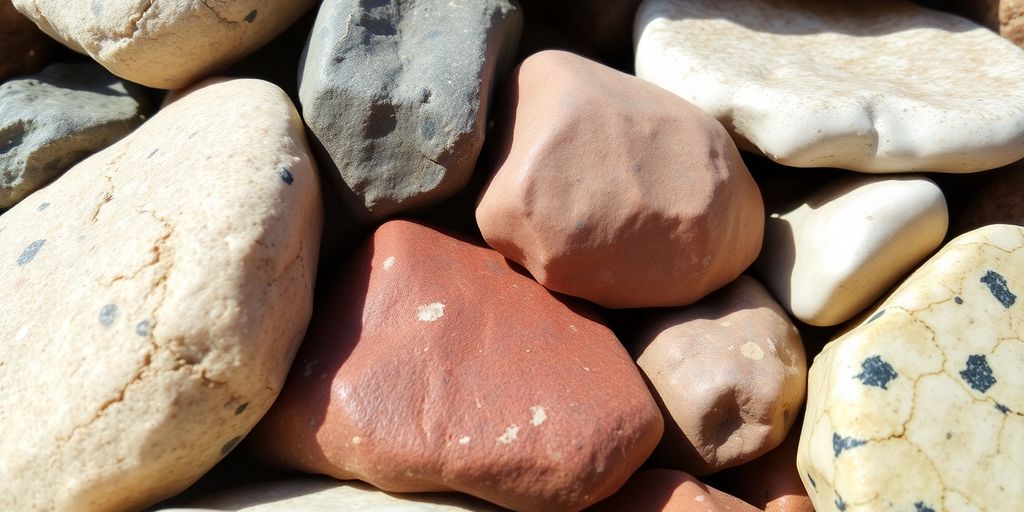
Outdoor fireplaces can really transform a backyard, making it a cozy spot for gatherings. I’ve always wanted one! You can use different types of stone to match your style. Think about using a durable stone like granite or fieldstone for the main structure. Also, consider the fire-resistant qualities of the stone you choose. It’s not just about looks; safety is key. Make sure to check local codes and regulations before you start building. You might need a permit, and there are often rules about how far the fireplace needs to be from your house or property line. I’ve seen some amazing designs that incorporate seating areas and even outdoor kitchens. It’s a great way to extend your living space and enjoy the outdoors even when it’s a bit chilly. Remember to plan for proper ventilation to ensure a safe and enjoyable experience. Outdoor living solutions can be a great addition to your home.
Creating Stone Water Features
Stone water features can add a touch of tranquility to any garden. I’m talking about waterfalls, ponds, or even just a simple bubbling fountain. The sound of water is so relaxing! When building a water feature, think about the overall design and how it will fit into your existing landscape. You can use a variety of stones to create different effects. For example, smooth river rocks can give a natural, flowing look, while larger, jagged stones can create a more dramatic waterfall.
Here are some things to consider:
- The size and shape of the feature.
- The type of pump you’ll need to circulate the water.
- How you’ll handle drainage and prevent leaks.
I once tried to build a small pond in my backyard, and it turned into a swamp within a week. Turns out, I didn’t properly seal the liner, and the water was just seeping into the ground. Lesson learned: don’t skip the important steps!
Designing Stone Furniture
Stone furniture is a unique way to bring the beauty of nature into your outdoor living space. Think benches, tables, and even planters made from stone. It’s durable, weather-resistant, and can last for years with minimal maintenance. Of course, stone furniture can be heavy, so you’ll need to plan for that. You might need some help moving the pieces into place. But once it’s there, it’s there! You can use different types of stone to create different looks. For example, a smooth, polished granite table can look very modern and elegant, while a rough-hewn limestone bench can have a more rustic feel. Consider the following table of stone types and their typical uses in furniture:
| Stone Type | Typical Use | Advantages | Disadvantages |
|---|---|---|---|
| Granite | Table tops, benches | Durable, weather-resistant | Heavy, can be expensive |
| Limestone | Benches, planters | Relatively lightweight, affordable | Can be porous, may stain |
| Slate | Table tops, decorative accents | Smooth surface, unique colors | Can be brittle, may chip |
Sourcing and Selecting Stone
Finding Local Stone Suppliers
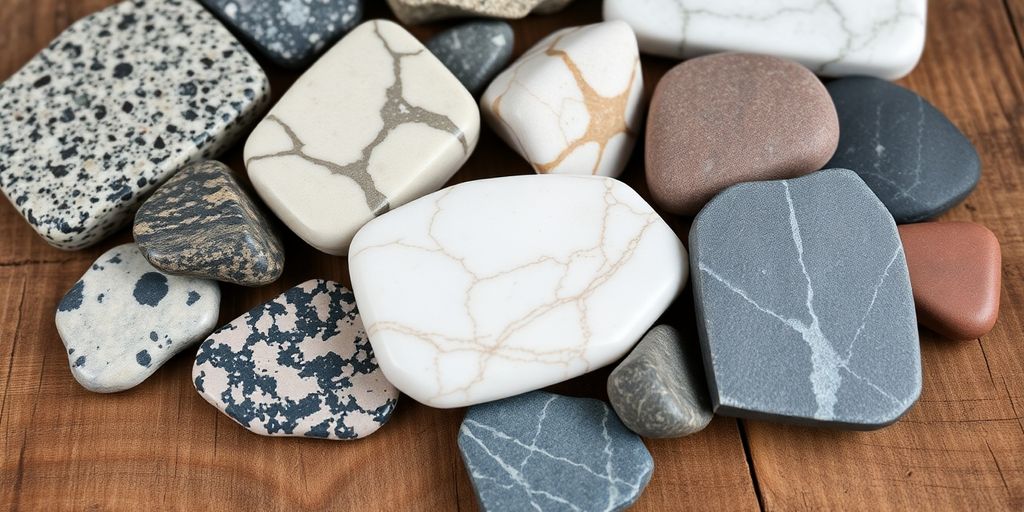
Okay, so you’re ready to start your stonework project. First things first: where do you get the stone? Finding local suppliers is usually the best way to go. I mean, think about it – less transportation means lower costs and a smaller environmental impact. Plus, local suppliers are more likely to carry stone that’s well-suited to your area’s climate and aesthetic. Check out quarries, landscaping supply companies, and even some construction material retailers. Don’t be afraid to ask around; other stoneworkers or contractors in your area probably have some good recommendations.
Evaluating Stone Quality
Not all stone is created equal. You need to know what to look for to make sure you’re getting something that will last. Here’s a quick checklist:
- Durability: Is the stone hard and dense? Softer stones might not hold up well to weathering.
- Appearance: Does the color and texture match your project’s design? Check for any unwanted stains or imperfections.
- Structural Integrity: Are there any cracks, fissures, or signs of weakness? Avoid stones that look like they might crumble.
It’s a good idea to get a sample of the stone and test it out before you buy a whole bunch. Try hitting it with a hammer (carefully!) or leaving it outside for a few weeks to see how it holds up to the elements. Better to find out about problems now than after you’ve already built your wall.
Recycling and Repurposing Stone
Don’t forget about the possibility of using recycled or repurposed stone! It’s a great way to save money and add some character to your project. You might be able to find stone from:
- Old buildings that are being demolished
- Landscaping projects that are being torn up
- Even just piles of rocks on your own property
Just make sure the stone is clean and in good condition before you use it. You might need to do some extra cleaning or shaping, but it can be worth it in the end. Plus, you’re giving new life to something old, which is always a good feeling.
When it comes to choosing the right stone for your project, it’s important to know what to look for. Start by considering the type of stone that fits your needs, whether it’s for a patio, walkway, or decorative feature. Look for quality and durability, as these factors will affect how long your stone lasts. If you want to learn more about selecting the perfect stone, visit our website for helpful tips and resources!
Wrapping It Up
So there you have it. Stonework might seem intimidating at first, but it really can be broken down into manageable steps. Whether you’re building a simple garden wall or a grand entryway, just remember to take your time and enjoy the process. Each stone you place is a step toward creating something lasting and beautiful. Don’t be afraid to experiment and learn as you go. With a little patience and practice, you’ll find that working with stone can be incredibly rewarding. So grab your tools, get outside, and start your stonework journey!
Frequently Asked Questions
What types of stone are best for building?
Common stones for building include granite, limestone, and sandstone. Each type has its own look and strength, making them good for different projects.
What tools do I need for stonework?
Essential tools include a chisel, hammer, and saw. You may also need a level, trowel, and safety gear like gloves and goggles.
How do I ensure safety while working with stone?
Always wear protective gear, work in a well-lit area, and be careful when lifting heavy stones to avoid injuries.
What is dry-stacking in stonework?
Dry-stacking is when stones are placed without mortar. This method relies on the weight and fit of the stones to hold them together.
How can I maintain my stone structures?
Regularly check for cracks or loose stones. Clean the surfaces and repair any issues quickly to keep your stonework looking good.
Can I recycle stone for my projects?
Yes! You can reuse stones from old buildings or landscaping. Just make sure they are in good condition for your new project.
